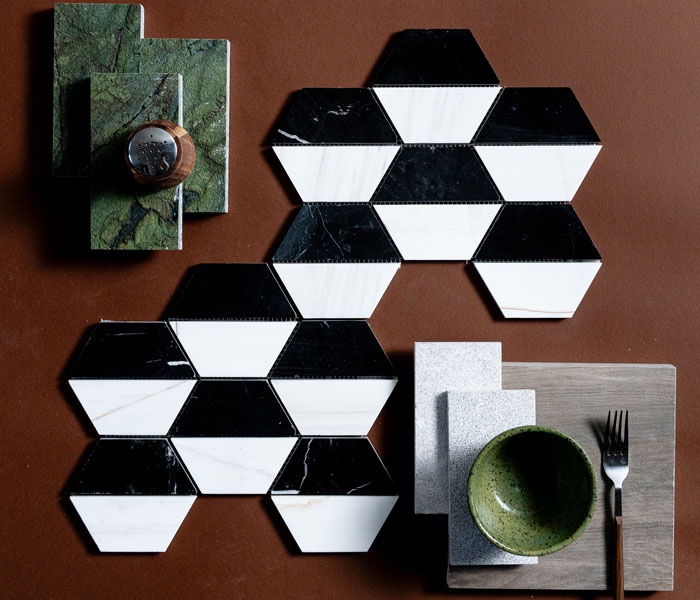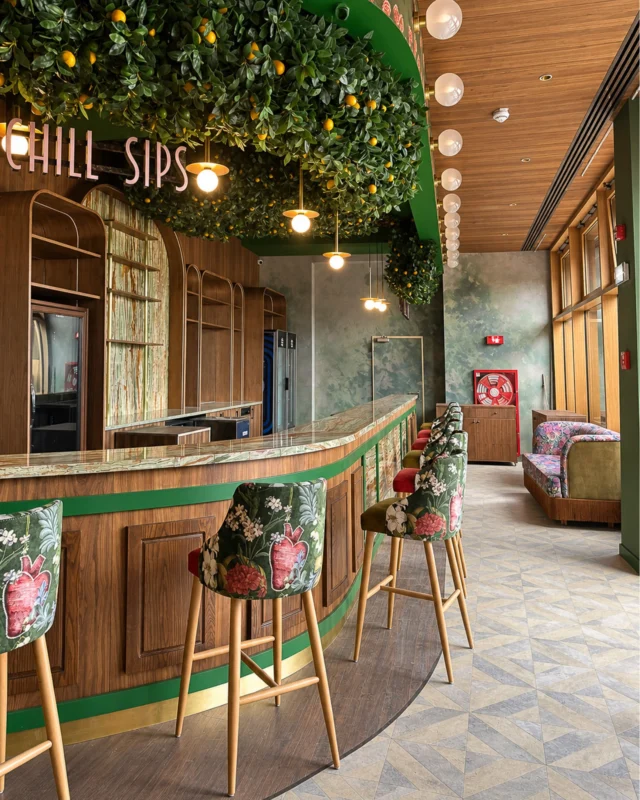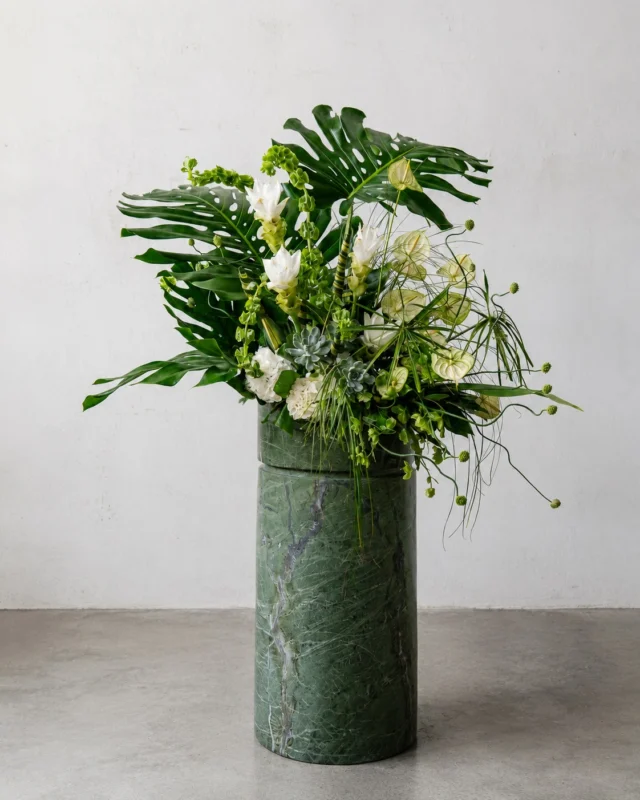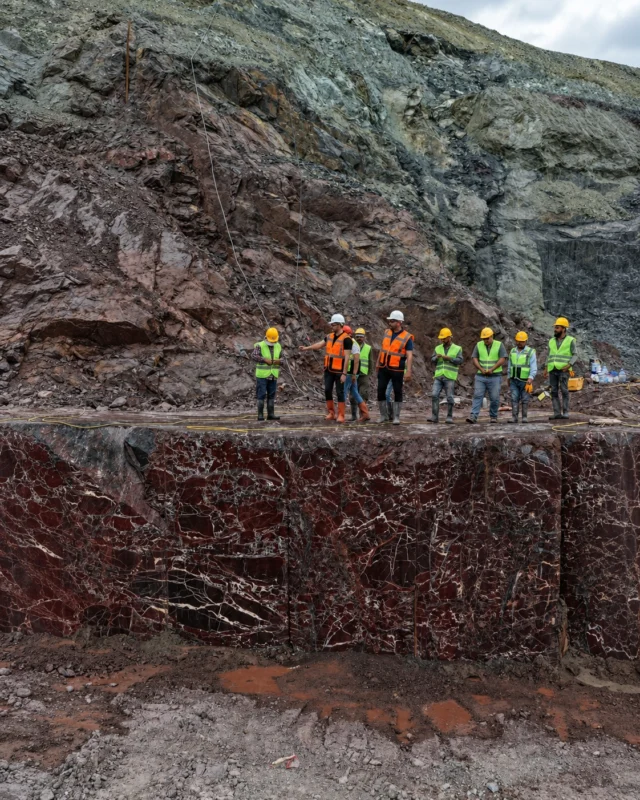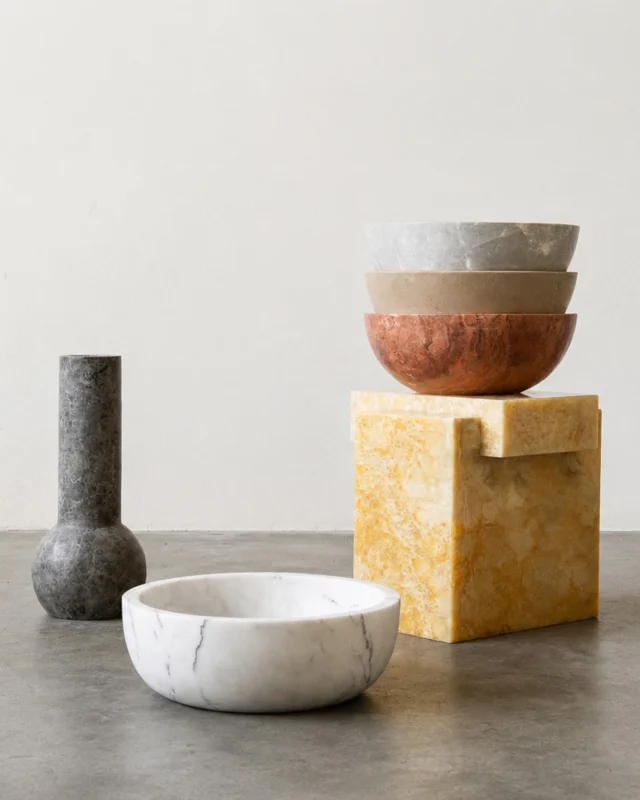




Sometimes, a project begins with something very small. A texture placed on a desk. A piece of stone held in your hand. A sample which, when placed next to wood, metal, textiles or a colour palette, makes the entire concept fall into place.
Choosing natural stone from an image alone is not enough. A photograph can reproduce the colour, a render can suggest the atmosphere and an online store can organise the available options very effectively. Natural stone, however, needs to be seen, touched and observed in real light.
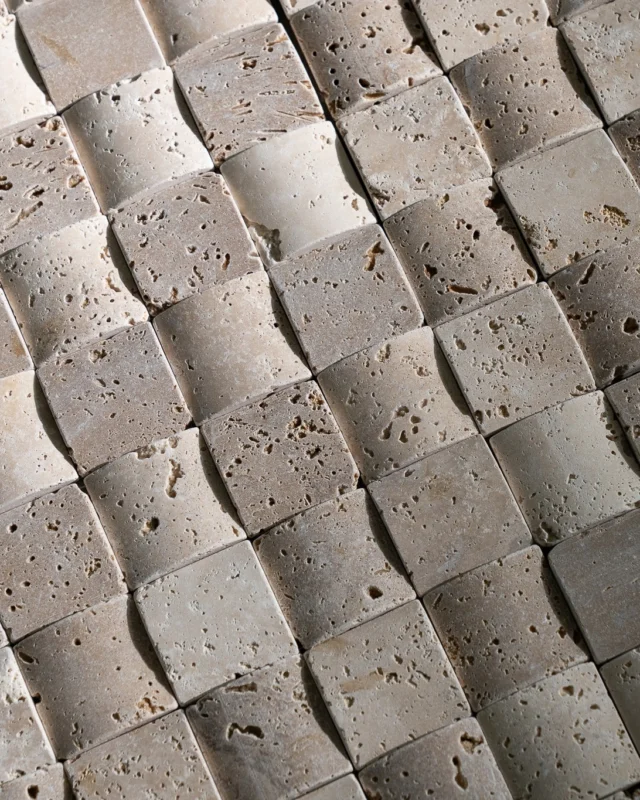
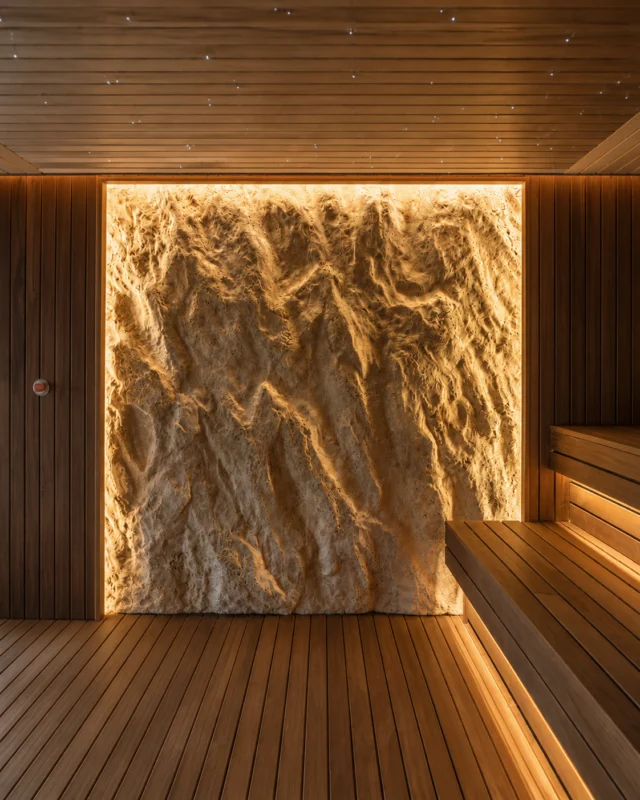
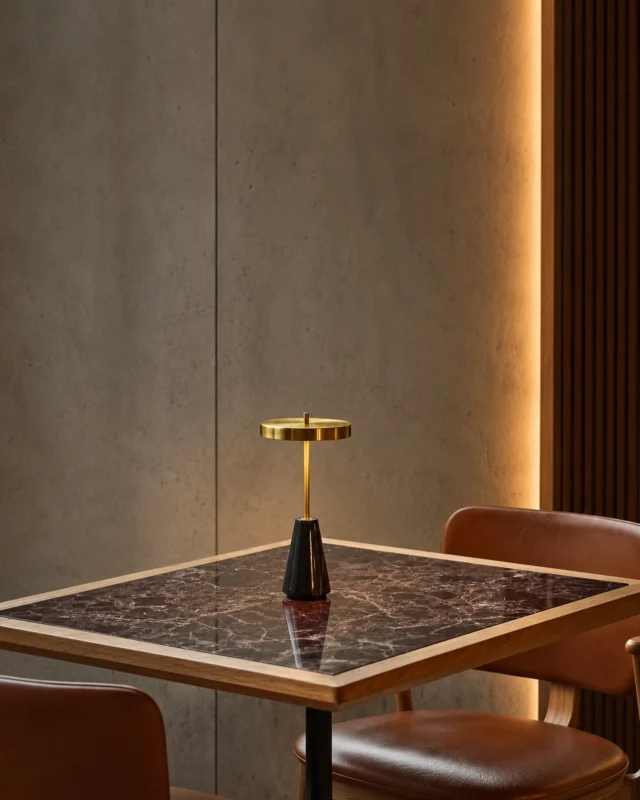
The same surface can change depending on the time of day, the orientation of the space, its finish and the materials it interacts with. Veining may look subtle in one setting and spectacular in another. Relief becomes visible in side lighting. Tones change when the stone is placed next to wood, metal, glass, ceramics or textiles.
This is why, at PIATRAONLINE, a sample request is not merely a logistical operation. It is the beginning of a conversation about the project.
For architects, designers, landscape architects, developers and other teams involved in the design process, we have created five working tools that can accompany a project from the concept stage to the final selection: Samples on Demand, Collection Preview Catalogue, Curated Catalogue, Material Library and Statement Design Wall.
1. Samples on Demand
Do you have a project in progress and need several textures quickly?
The Samples on Demand service is intended for professionals who need to assess a material before specifying it for a project.
Sometimes, a standard sample is enough to evaluate the colour, finish and texture. At other times, a larger piece is necessary because the pattern of the veining, the proportion of the grain or the movement of the surface can only be properly understood at a different scale.
You can request:
- available standard samples;
- samples of specific products or textures;
- compact selections for moodboards;
- pieces cut to custom dimensions;
- materials for indoor, outdoor or heavy-traffic applications;
- samples from the PIATRAONLINE collections.
You can send us links to products from the online store, a moodboard, render, sketch or information about the atmosphere of the project. If you have not yet chosen the exact material, we can begin with what you want the space to communicate: calm, contrast, tactility, monumentality, light or continuity.
Free samples are available for products displaying this option on their product page in the online store. For special selections, materials without a standard sample option and pieces cut to custom dimensions, availability and pricing are determined upon request.
A sample may be small, but it can hold the project’s first important decision: the moment when “perhaps” becomes “this is the right stone”.
2. Collection Preview Catalogue
Would you like to discover a new collection or present it to a client?
A Collection Preview Catalogue offers a clear introduction to a particular language of materiality. It does not attempt to present every available product, but to capture the identity of a collection through representative textures, finishes, applications and materials.
You can request a preview for:
- RAW Collection — raw, sculptural and deeply tactile textures;
- FLOW Collection — surfaces defined by rhythm, geometry and movement;
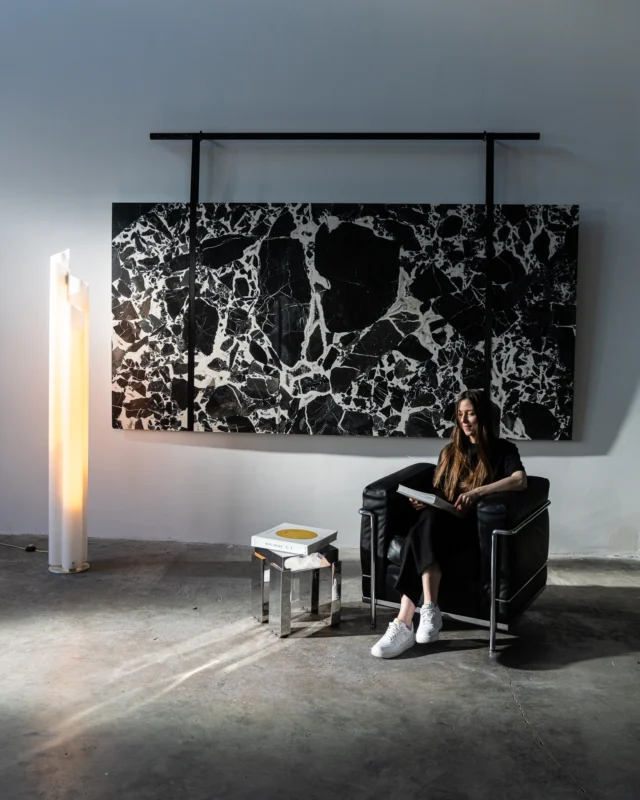
- SLAB Gallery — statement slabs selected for their unique veining;
- SKIN — Flexible Slate — thin and flexible natural stone;
- L’Altra Pietra — sintered-stone solutions for outdoor and heavy-traffic applications.
Depending on the collection and availability, the preview may bring together samples, project images, technical information and application examples.
It is a useful tool during the concept stage, in presentations to clients or when a studio is exploring a new direction and needs tangible reference points before making the final selection.
A material can arrive in your office long before the project enters the construction stage. Viewed in natural light, tested next to other surfaces and kept close to the creative process, it can influence the development of the entire concept.
3. Curated Catalogue
Tell us what you are looking for, and we will narrow the selection down to the relevant materials.
A complete catalogue may contain hundreds of options. In a real project, however, more options do not always provide greater clarity.
The Curated Catalogue begins with the project, not the product. We analyse the atmosphere, applications, colour palette, technical conditions and type of space, then build a coherent selection of textures and finishes.
You can send:
- the project moodboard;
- renders or sketches;
- plans;
- reference images;
- the material palette;
- the intended applications;
- approximate surface areas;
- the timeline and indicative budget.
The selection may focus on a single element – a reception desk, wall, floor or item of furniture – or on the entire project: bathrooms, shared spaces, façades, terraces, gardens and heavy-traffic areas.
Curation involves both selection and elimination. If the project calls for calm, we will not build the selection exclusively from dramatic textures. If it needs impact, we will not stop at neutral options. If the material will be used outdoors or in a public space, we will include criteria such as grip, resistance, maintenance and long-term performance.
The catalogue can be completed with standard samples or pieces cut to special dimensions, allowing the veining, relief and proportions of the material to be properly understood.
You do not receive a generic catalogue. You receive an edit built around your idea.
4. Material Library
PIATRAONLINE textures, always close to the creative process.
The best material decisions are not always made during a single meeting.
A sample remains on the desk, is moved next to a piece of wood, then next to metal or fabric. It is viewed in the morning and evening, incorporated into a moodboard, presented to the client and rediscovered several months later for another project.
This is the purpose of a PIATRAONLINE Material Library: to transform samples from a one-time delivery into a living resource for the studio.
The library can be configured as a display stand, storage unit, dedicated corner or tactile archive adapted to the available space.
It may include:
- samples for indoor and outdoor applications;
- different finishes and textures;
- statement materials;
- mosaics and slabs;
- flexible slate;
- sintered stone;
- larger-format pieces;
- selections from the PIATRAONLINE collections.
The library’s contents can be adapted to the studio’s specialisation. A practice working in hospitality has different needs from one focused on private homes, landscape architecture, retail or public spaces.
The materials can be used during meetings with clients, internal work sessions, presentations and direct comparisons with other finishes. The client no longer sees only a render, but can touch the material, observe its natural variations and understand why a particular texture is right for the project.
The library can be periodically updated with new textures, recently launched collections or selections dedicated to projects in development. It therefore becomes not a static archive, but an extension of the design process.
5. Statement Design Wall
When the material library becomes an architectural installation.
A wall can separate two spaces. But it can also express the identity of a studio, create the first impression during a meeting and transform materials into a visual and tactile experience.
Statement Design Wall is a concept developed together with the PIATRAONLINE team, through which a curated selection of natural stone is integrated into a wall in your office, studio or showroom.
It is not simply a sample panel. It is a composition designed in relation to the space, light and architectural language of the office.
The process begins with:
- the size and position of the wall;
- natural and artificial light;
- the function of the area;
- circulation routes within the interior;
- the studio’s identity;
- the types of projects it develops;
- the message the installation should communicate.
The selection can include raw or processed textures, relief surfaces, slabs, mosaics, flexible slate, sintered stone or specially cut pieces.
The wall can be discreet and monochrome or bold and sculptural. It can function as a permanent installation or as a modular system in which certain materials are periodically replaced to introduce new collections and special selections.
During meetings with clients, the Statement Wall allows the stone to be observed vertically and at a scale close to the architectural one. The relief, variation and relationship with light become immediately visible.
The concept, materials, cutting and installation are quoted individually according to the size of the wall and the complexity of the solution.
Stone, before it becomes a project
Samples are not merely approval tools. They are tools for thinking.
They help the architect understand the material, the designer build the atmosphere, the developer compare options and the client make an informed decision.
Before stone becomes a floor, façade, table, reception desk, sculptural wall or furniture detail, it enters the project in a much smaller form: a texture, a piece, a sample.
That is where everything begins.
Send us your project, moodboard, render or creative direction. Tell us what you are building, the atmosphere you are seeking and the resources you need, and the PIATRAONLINE team will help you choose the right tool: an individual sample, a collection preview, a curated selection, a material library or a Statement Design Wall.
See the material. Touch the texture. Compare it in real light. Then let the project begin.