


INFOMENTENANTA
Surface identification
For natural stone care and maintenance, identifying the surface correctly is essential. The type of stone, the finish, and how the rock reacts to certain cleaning and sealing solutions are all things to keep in mind at all times.
1. How are rocks classified by composition?
By composition, rocks fall into two categories:
siliceous rocks – made mainly of silicon and quartz. They’re very durable and easier to maintain. These rocks include: granite, slate, sandstone, quartzite.
calcareous rocks – made mainly of calcium carbonate, so they’re more sensitive and need more careful care. These include: marble, travertine, limestone, onyx.
2. How do you visually identify a surface?
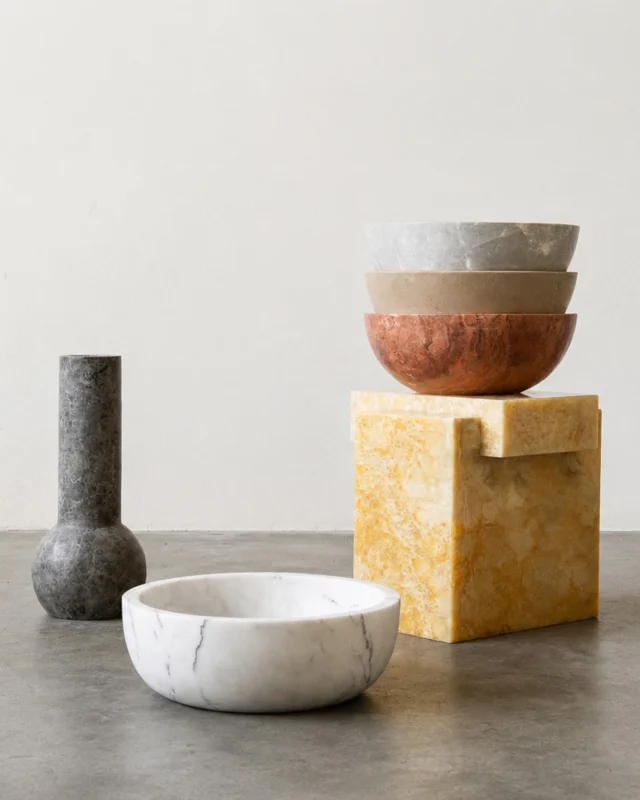
Granite – a rock with a granular structure and very faint veining. Generally found with a polished or flamed finish, more rarely bush-hammered. Colors vary. It’s hard and resistant to corrosive agents and scratches.
Slate – colors range from dark green to black, gray, red, or even multicolor. It splits naturally, giving it a layered texture. It’s resistant to weather and corrosive agents.
Sandstone – colors vary based on the minerals in its composition, from light gray to yellow or red. It’s hard and porous. It performs well against scratches and corrosive agents, less well against stains.
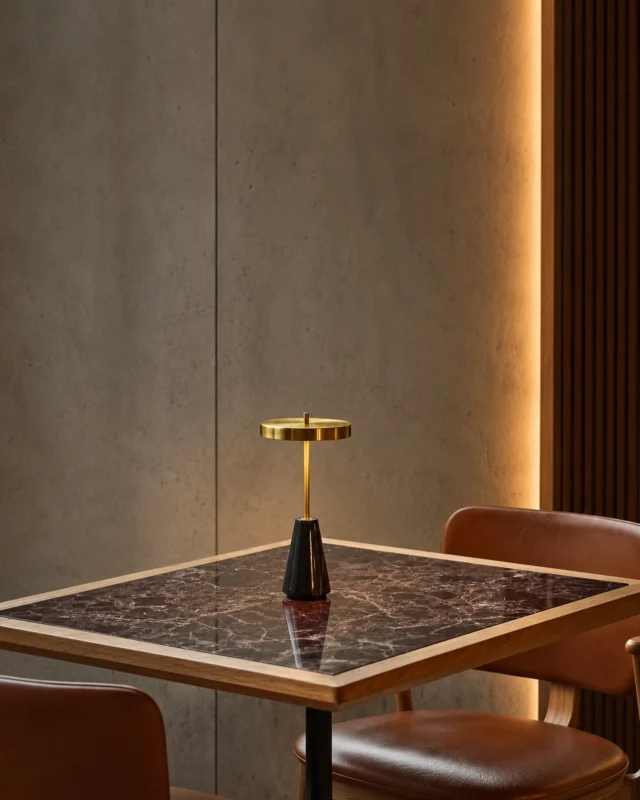
Marble – has a fine texture, often with veining, and a wide color palette. It has medium hardness and porosity. It’s sensitive to corrosive agents. Found in various finishes: polished, matte, bush-hammered, split-face, brushed, and more.
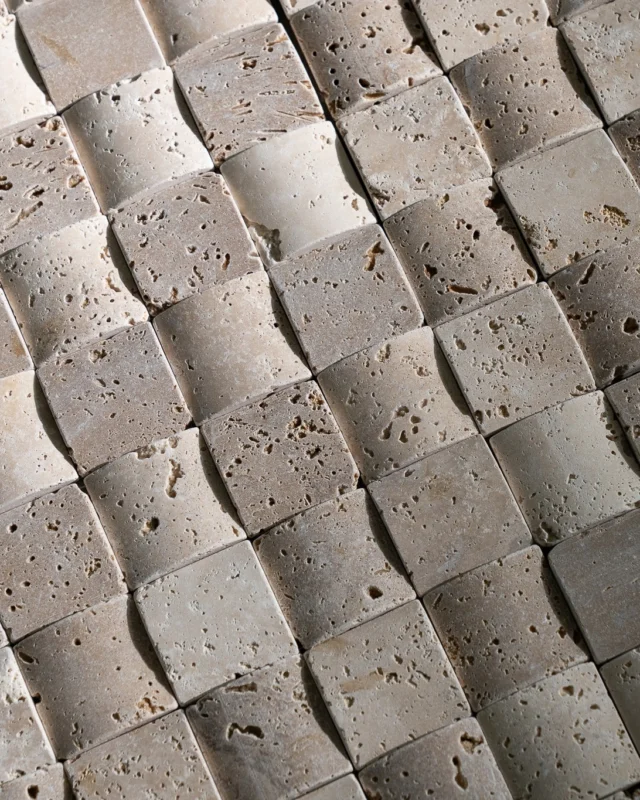
Travertine – a sedimentary rock, and this shows in its texture, where fossil shell traces are visible. It has medium hardness and medium-to-high porosity. It performs well against weather. It’s sensitive to scratches and corrosive agents.
Limestone – also a sedimentary rock, with medium hardness and porosity. It performs well against weather and shows sensitivity to scratches and corrosive agents.
3. How do you recognize a surface’s porosity?
Surface porosity is determined with a simple test. Pour a teaspoon of room-temperature water onto the surface and time how long it takes to absorb. There are three outcomes:
water absorbs in about 5 minutes – high porosity
water absorbs within a maximum of 15 minutes – medium porosity
water absorbs in over 20 minutes – low porosity
Based on this information, it’s easier to identify the surface and determine the best treatment for different situations.