





Black Beauty Basalt Kerbstone (sawn cut + chamfer 1L), 10 x 20 x 50 cm
Talk to a consultant
Paving Kerbstone | Basalt Kerbstone | Stone Kerbstone | Basalt Kerbstone Manufacturer
Natural stone kerbstones are the visual attraction of any landscaping project, whether garden or public area. Unlike other kerbstones, basalt kerbstones are highlighted by a light, yet stylish color range, bringing to mind a classic and modern vibe. Natural stone kerbstones are recommended for public areas, when you need to define car parks, urban parks, green spaces, terraces, small squares, avenues, etc. If you want to buy stone kerbstone for your landscaping project, use Black Beauty Basalt Kerbstone to define the driveway/parking space. It can also be used for green spaces, as a way to define natural stone walkways or anything you consider suitable.
Usages:
Natural stone kerbstones are used to:
- define areas in gardens, urban parks, squares and car parks
- contain the roadway, roads and walkway, to prevent ‘spreading’ and loss of structural integrity
- define the access routes
Basalt is a volcanic, extrusive rock similar to granite and from the same category with granite. Main features of basalt:
– density: 2 700 kg/m³
– hardness (Mohs scale): 6
– water absorption (normal conditions): 0.99 %
– mechanical strength (compression): 74.5 MPa
– mechanical strength (bending): 9.64 MPa
– abrasion resistance: high
– fire rating: class A1 (non-flammable)
Available size: Black Beauty Basalt Kerbstones have standard size (W x L x H): 10 x 15 x 50 cm and 10 x 20 x 50 cm. Both models have sawn cut finish and one bevelled edge. Stone kerbstones are laid out on a concrete bed (semi dry screed) with gravel support or on gravel bed, without concrete.
If you want to lay them out by yourself, just follow the next steps:
Kerbstones laid out on concrete bed (semi dry screed):
1. preliminary preparation: carefully inspect the areas before digging, to avoid damaging the utility routes
2. surface cleaning: remove any debris of plant, stones or tree trunks
3. soil excavation: dig a trench of about 25 cm deep
4. laying out the gravel: lay out approx. 10 cm of gravel (crushed stone), then compact it by hand or use a vibratory plate compactor for this
5. cast-in-place concrete: a layer of approx. 10 cm
6. laying the kerbstone: on fresh concrete up to a depth of 5 cm. Then, adjust it to line and level with fresh concrete.
Lay out kerbstones on a gravel bed – recommended for max. 20 cm height kerbstones, garden alleys and separation of green areas, etc. This is not recommended for heavy traffic areas.
1. repeat the previous steps, from 1 to 3
4. use color flags and strings for flagging and marking the areas. You can use 2 strings for flagging the trench edges (preferably for curved surfaces) or a single string and dig next to it. The string must have the same height as the kerbstone.
5. trench digging: the trench depth is determined by adding the kerbstone height to the length above ground level, plus the gravel thickness that is laid out in the trench.
E. g.: for 20 cm height Black Beauty Basalt Kerbstone we have: 20 cm + 8 cm (the kerbstone height above the ground level) + 5 cm = 33 cm trench depth. The width should be approx. 30 cm (kerbstone width = 25 cm), to allow compaction by hand. The ditch is shoveled/excavated with perfectly straight walls and perfectly flat bottom.
6. fill out the trench with grav` el/sand, then compact it
7. lay the kerbstone, then adjust its height with a rubber mallet
8. fill out the empty space around the kerbstone with excavated soil, then compact it
9. fill out the joints with soil, sand or mortar
Preliminary calculations:
How to calculate the necessary kerbstone for a backyard alley with given size
For determining the figure, divide the needed length by the kerbstone length
E. g.: for defining a 15 m (1 500 cm) long driveway, you will need 1500:50 = 30 Black Beauty Basalt Kerbstone, 25 x 20 x 50 cm size.
How to calculate the necessary gravel to be laid out in the ditch:
Calculate the necessary volume with the formula follows V = L x l x h, in which:
L = trench length (15 m, in our example)
l = trench width – for estimation, take into account the size of a manual compactor (approximately 20 cm), but we will set aside 25 cm because you should be able to access the trench with the compactor
h = the height of the gravel layer for this kerbstone, according to step 4 from the installation procedure (10 cm)
For our example we have the following dimensions, expressed in meters (m):
V = 15 x 0.25 x 0.1 = 0.375 m³
the necessary gravel is calculated with the standard density formula (e. g. gravel of 7-16 mm, with ρ = 1550 kg/m³)
ρ = m/V => m = ρ x V, and in terms of figures
m = 1550 x 0.375 = 581 kg gravel, grain size of 7-16 mm
We are committed to manufacture the best custom-size kerbstones. Place an order now and take advantage of our fair prices!
- Length 20
- Thickness unit cm
- Weight 1 l
- Thickness 50
- Dimension unit cm
- Width 10
- Colour Grey
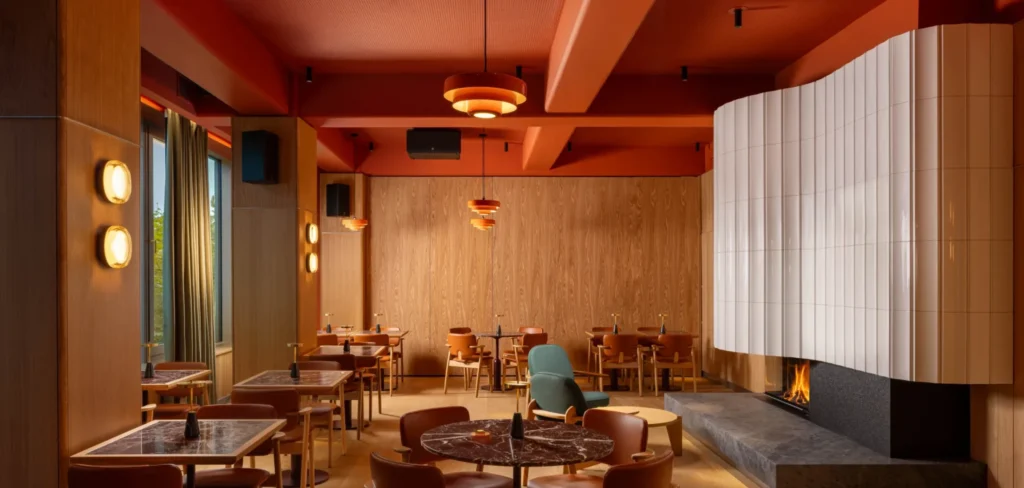
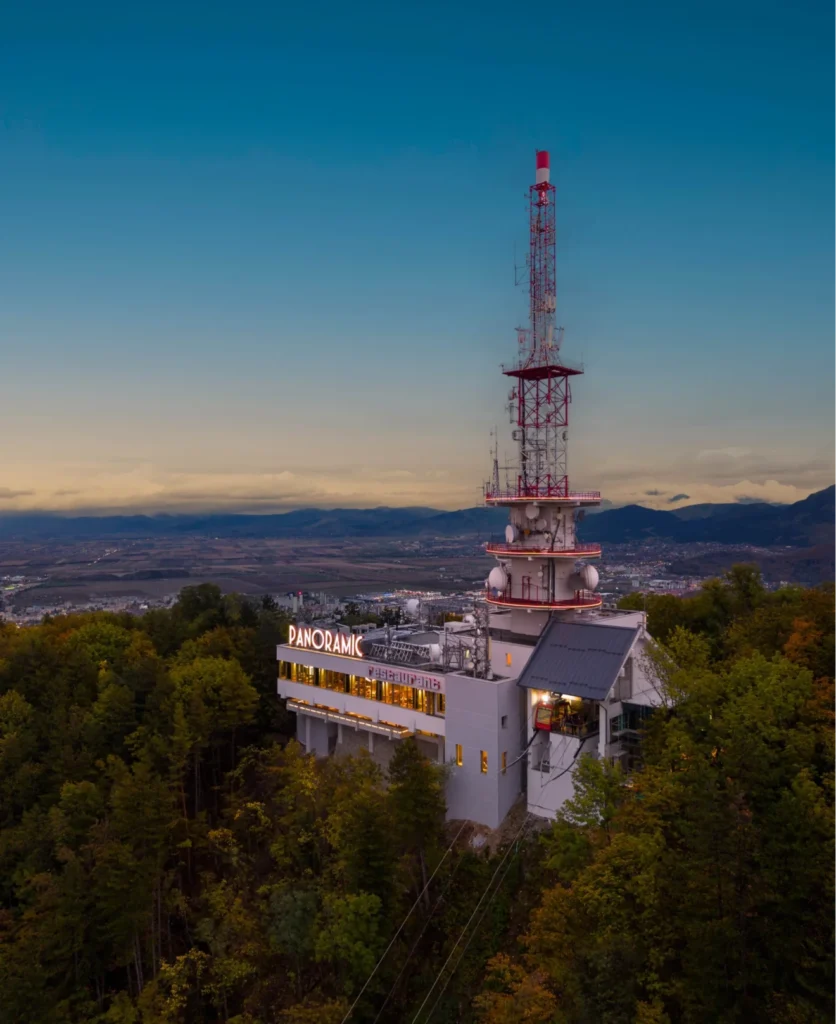
Panoramic, a reinvented symbol of contemporary Brașov
Panoramic reopens its doors in a form that preserves the building's modernist memory and translates it through light, transparency, materiality and a direct relationship with the landscape. The original building dates from the 1970s, and the contemporary intervention preserves the scale, proportions and structural logic of the modernist landmark.
Casa Icoanei, interwar heritage reconfigured for the present
The house recovers its Florentine-Moorish character through the restoration of the façades and the original details, reinterpreted in a contemporary, luminous and rigorously proportioned formula. The main volume is extended vertically, and the openings are recalibrated to bring the morning light inside and to connect the spaces of the house more clearly.


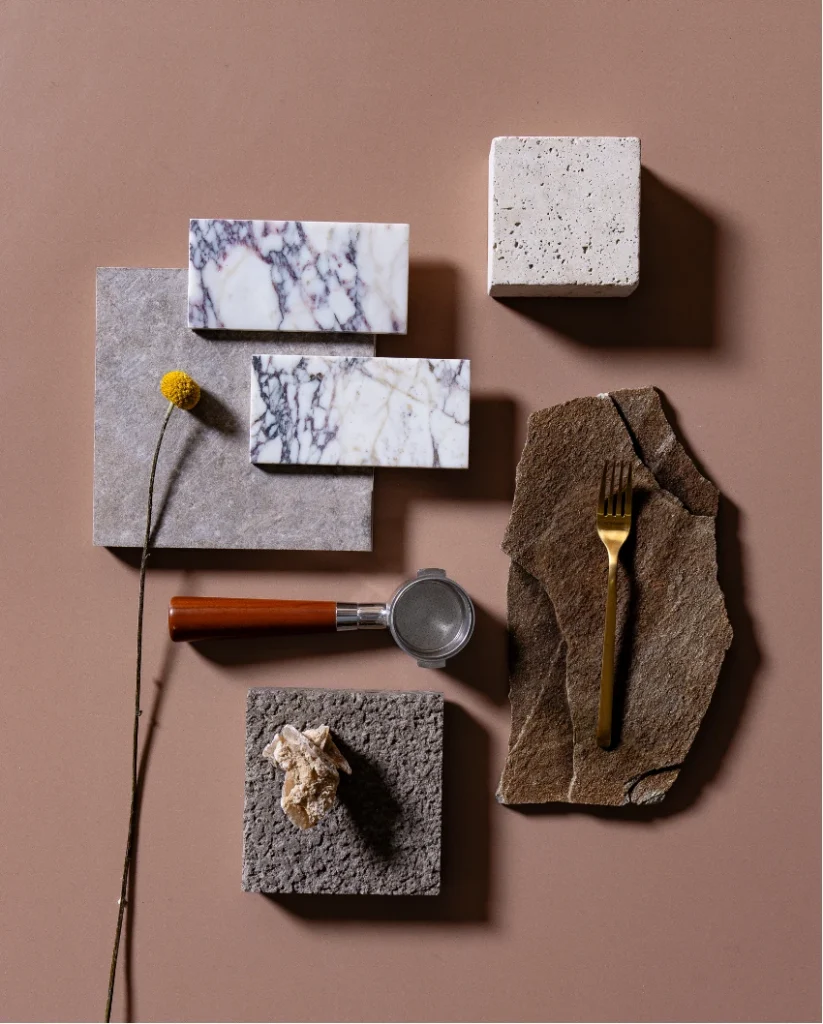
Choose the stone with your own hands.
Order a sample.
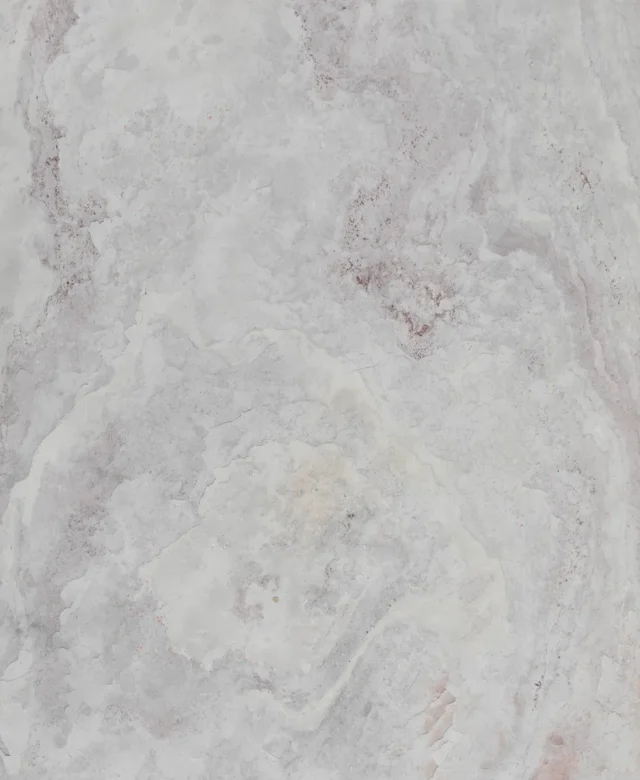
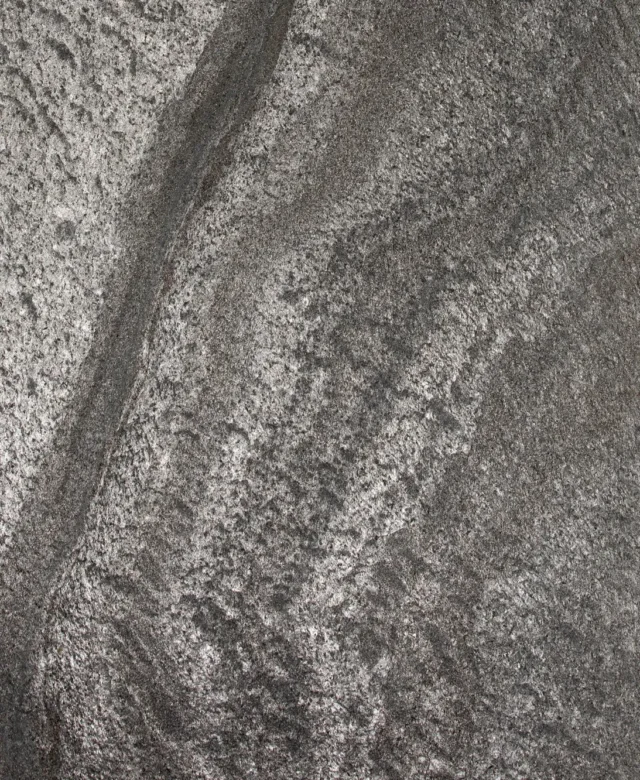
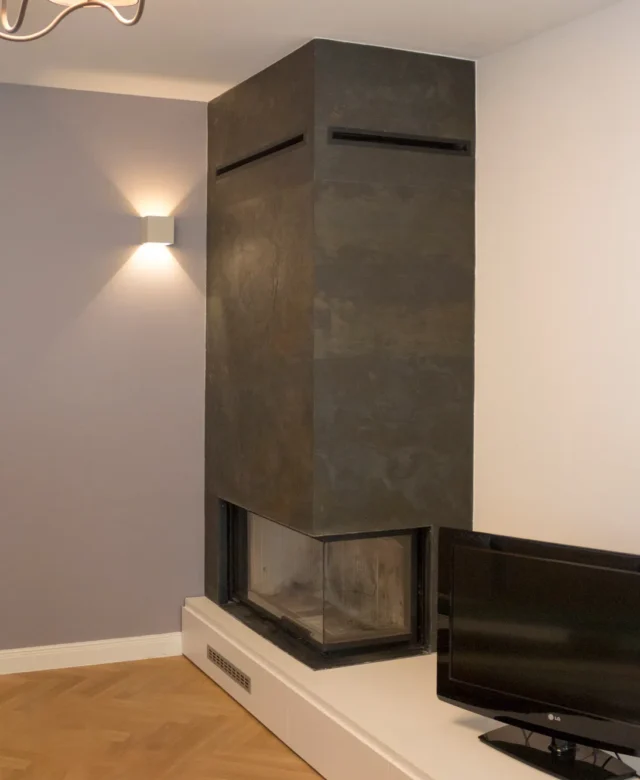
When choosing stone for your home, you want to know what it really looks like. When choosing for a client, you want to show them more than an image. The colour, veining and finish can look different depending on the space, light and context. Our sample service lets you experience the material before making the final decision.
Advice
Clarity when choosing materials and configuring your project.
Cutting
Precise processing in our own workshop: complex formats and bespoke objects.
Installation
Experienced technical teams for the correct installation of stone.
Transport
Specialised delivery to the construction site, nationwide and internationally.
Order samples


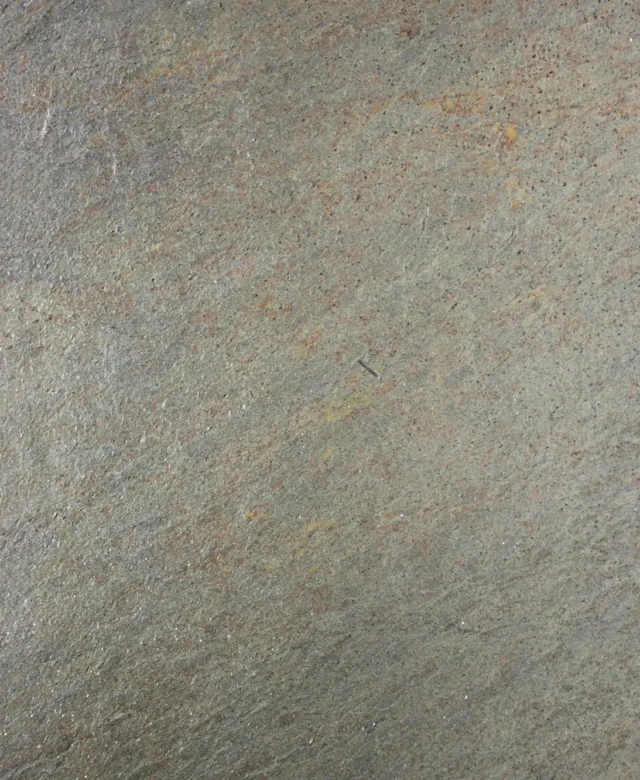





Natural stone care
Everything you need to know about cleaning, protection and recommended products.

ONLINE NATURAL STONE TUTORIAL
You’ve bought the stone. Now discover how to care for it.
An online episode with our natural stone care expert, featuring cleaning, protection and maintenance tips to keep your stone looking beautiful over time.
VIDEO EPISODE: NATURAL STONE PROTECTION
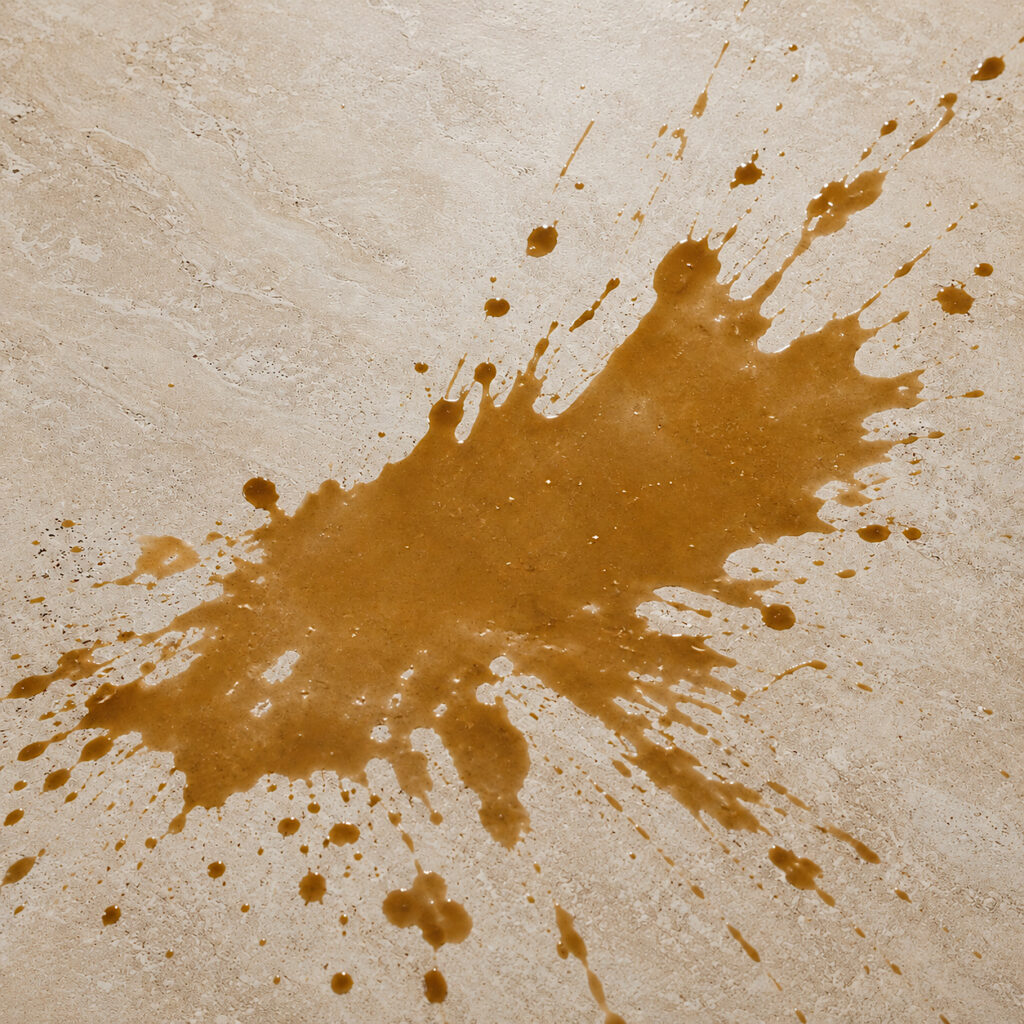
How to protect natural stone from stubborn stains
Explore the care instructions and recommended products for cleaning, protection and waterproofing.

PROFESSIONAL CLEANING FOR EVERY SURFACE
How to clean natural stone correctly, indoors and outdoors
In a short video episode, discover how to use a detergent suitable for all types and finishes of natural stone, with a degreasing effect and the power to remove dirt, wax or old varnish. Also suitable for engineered stone, ceramics, terracotta, brick and outdoor paving.
See what’s inspiring us now on the blog
How we think, choose and transform stone into spaces that matter


Durable by nature, sustainable by process
We work with the world’s finest quarries and ensure that every product is packaged and delivered responsibly.
Responsible packaging
Recyclable, compostable and plastic-free solutions.
Efficient transport
Optimised routes, reduced transport volume and lower emissions.
Verified sources
Responsibly selected materials and suppliers.














Write a review
You must be logged in to post a comment.