


INFOCOM
Custom products/orders
By custom products, we mean products that aren’t part of our regular range but that we can source specially for you, as well as products that we cut to the dimensions you request. We call the latter special pieces.
How does stone become special pieces?
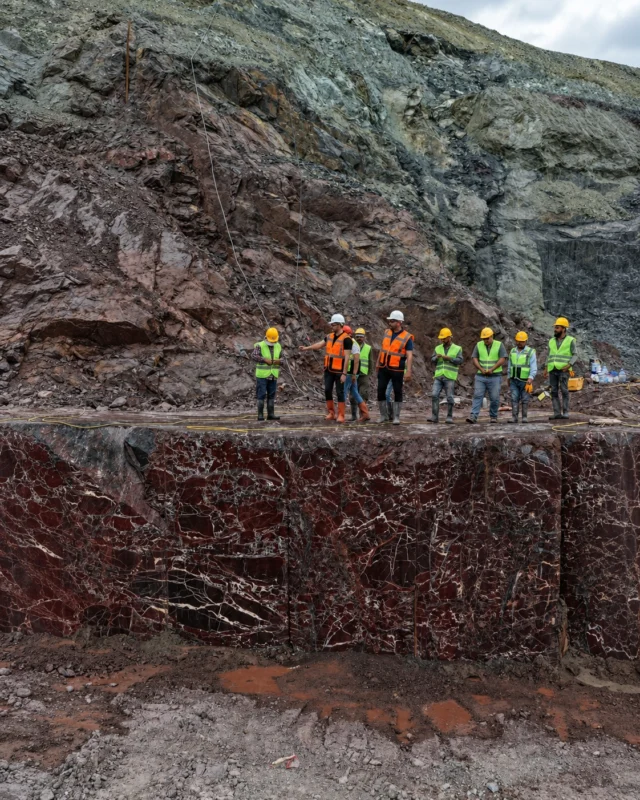
Blocks of natural stone are loaded at the quarry and taken to the factory of origin, where they’re cut into slabs. Those slabs are then brought to our workshop and wait to be cut according to your custom order. Depending on your project, the slabs are cut to the requested dimensions, producing the special pieces.
The most requested special pieces:
Kitchen countertops
Window sills
Steps
Riser panels
Skirting/baseboards
Lesser-known pieces we can also make:
Counter backing panels (other options besides special pieces include mosaics or small tiles)
Cabinet tops
Radiator covers (pieces are cut to the customer’s desired dimensions, then CNC-processed)
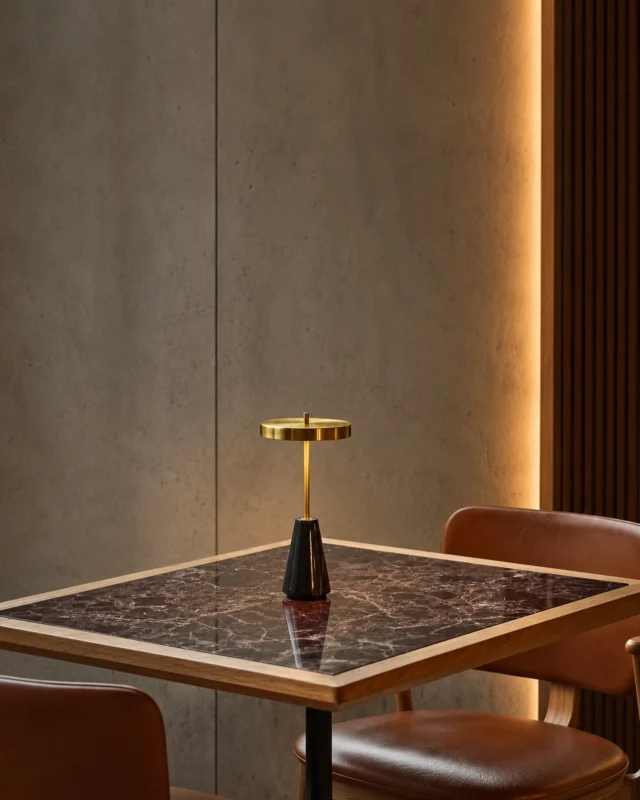
Tables
Any other object you’d like, made of natural stone or clad in natural stone
CNC technology offers complex, precise processing methods for most rigid materials; it’s an electronically controlled tool, quite similar to a laser. Using CNC, any pattern can be created in stone by cutting the material regardless of curves.
Prefabricated pieces
Before ordering special pieces, keep in mind that we have a range of prefabricated products, so you don’t have to wait for the standard lead time (dimensions can be adjusted on site):
Skirting/baseboards
Steps
Shelves
Pool coping (can also be used as a step)
Plinths
(piatraonline.com/steps-countertops-windowsills)
Special pieces can be chosen in travertine, marble, limestone, and granite.
Types of edge processing:
Edge processing is done on the edge of the stone; we can carry it out for an extra charge, or your installation team can do it on site.
Step edges can be left at a right angle (unprocessed), but for most special pieces we recommend edge processing.
Half-bullnose – rounds off the top edge
Bullnose – rounds off both edges (on the same side – top and bottom)
Chamfer – the top edge is cut at a 45-degree angle, effectively creating a new face
Drip groove – used for exterior window sills, so water doesn’t reach the façade
Lamination – two identical materials glued together so their combined thickness gives a sense of solidity; generally used for countertops. Lamination can also be applied to steps, to make them look sturdier
Anti-slip strips – three drip-groove lines applied to a polished surface, serving an anti-slip function
Material lamination and bullnose (apron) – a small piece of material is placed under a countertop, for example, at the same level, to create a sense of solidity. It can also be used to hide certain bathroom pipework. Lamination depends on the thickness of the material.
The edges of skirting/baseboards and window sills need to be processed, otherwise they don’t look good. If a customer realizes they made a mistake by ordering a skirting board or window sill without edge processing and lets us know, this can be corrected on site for an extra charge, where site conditions allow.
General specifications
The minimum order quantity is 5 sqm (or 1 slab, for Slab Gallery slabs) and applies to a single material, not a combination of several materials
Turnaround time is about 3-4 weeks for pieces from the standard ranges (Atelier), and 2-3 weeks for uncut slabs or 4-6 weeks for cut slabs (Slab Gallery), from the date the 40% deposit is received
The price shown on the website is per sqm and includes the material and its cutting
To take your order, we need measurements to be taken, following the golden rule for a flawless project: the person who takes the measurements should be the same person who installs the product
Once we’ve sent the order to the workshop, dimension changes can no longer be accepted
In exceptional cases, after the order is placed, the workshop may find, for technical reasons, that additional material is needed, that a piece needs to be made from several parts, or that offcuts can’t be delivered (they didn’t hold up during production). In all these cases, we’ll contact you and agree on a solution together before proceeding.
Offcuts from cutting can’t be counted as separate pieces and, as a rule, can’t be delivered, since they may not hold up to production, handling, and transport.
Note! Special pieces cannot be returned!