


About natural stone
Geology
Geology – Discover the art of Earth science
What is geology?
Geology is the science that studies the Earth, its structure, the processes that have shaped it over time, and the natural resources it provides. It plays an essential role in understanding Earth’s history and how natural and human factors affect the environment.
Branches of geology:
Physical geology – the study of physical processes that shape the Earth’s surface, such as volcanism and erosion.
Paleontology – the study of fossils to understand the history of life on Earth.
Economic geology – the exploration and use of mineral resources.
Geophysics – analyzing the Earth’s physical properties using methods such as seismology.
What does geology cover? Geology contributes to many fields, including:
Natural resource exploration: oil, natural gas, precious metals.
Reducing natural hazards: monitoring earthquakes and volcanoes.
Environmental conservation: identifying the impact of human activity on ecosystems.
Did you know? The first geological studies in Romania date back to the 19th century, and the Romanian school of geology became an international reference thanks to its contributions to the study of the Carpathian Mountains.
Geology glossary:
Erosion: the process by which rock is worn down by water, wind, or ice.
Stratigraphy: the study of rock layers to understand geological history.
Magma: molten rock from inside the Earth that becomes lava when it erupts at the surface.
The Geology Museum in Bucharest:
The National Museum of Geology is housed in a building constructed in the Neo-Brâncovenesc style in 1906. The building’s exterior is clad in natural stone and decorated with unique interior mosaics. Inside the museum, visitors can explore impressive collections of minerals, fossils, and rocks, making it a draw for science and culture enthusiasts alike.
The annual crystal fair:
This annual event draws thousands of visitors who can admire and buy crystals, semi-precious stones, and rare fossils directly from collectors and experts.
Did you know? The Geology Museum houses some of the oldest fossil exhibits in Eastern Europe, dating back over 200 million years.
Frequently asked questions
What is geology? Geology is the science that studies the Earth’s structure, the processes that shape it, and its natural resources.
How can I become a geologist? Becoming a geologist requires a degree in the field, followed by specialization in areas such as petroleum geology or mining geology.
What are the most important geological discoveries in Romania? Notable discoveries include the gold resources of the Apuseni Mountains and the paleontological finds at Hațeg.
Travertine – the go-to stone for interior and exterior design
What is travertine, and why is it the perfect choice?
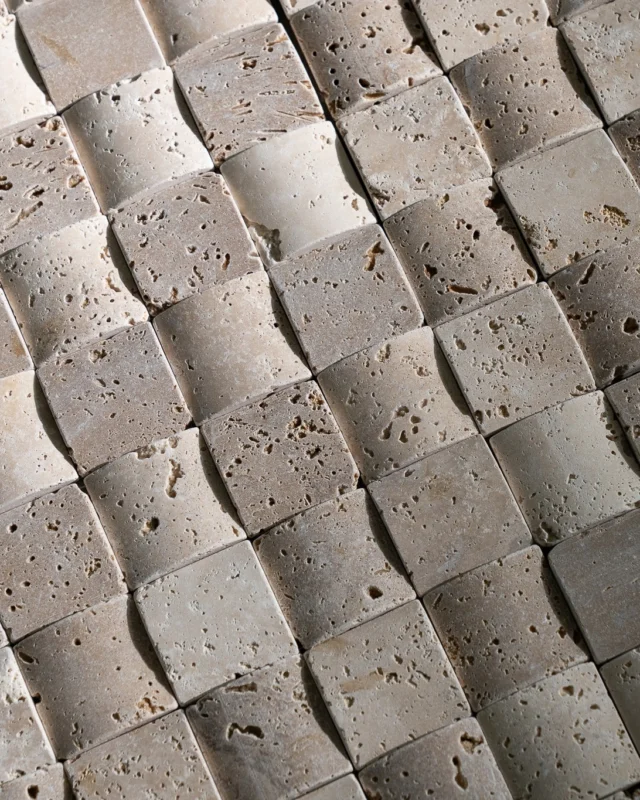
Travertine is a sedimentary rock with an impressive geological history, used in construction for thousands of years thanks to its durability, porous texture, and natural colors. This natural stone adds a sophisticated, timeless feel to any project, whether it’s interior cladding, exterior façades, or paving.
How does travertine form?
It forms through the deposit of calcium carbonate from thermal and mineral springs. The earliest known use dates back to Roman times, when travertine was used to build the Colosseum in Rome, Italy.
How do you choose quality travertine?
To choose quality travertine, you need to consider a few key factors that will ensure a durable, attractive material for your project, from the declared grade – Premium/Standard/Economy – to the visible quality of the cut and the surface finish.
Cut and finish quality: Check that travertine tiles have a uniform thickness and well-defined edges. The surface should be smooth or match the chosen finish type (brushed, honed, polished, etc.). A well-executed finish reduces the risk of cracks or chips during installation.
Structure and density: Higher-quality travertine has a higher density, making it more resistant to wear and damage. Check the material’s porosity.
Color uniformity: Choose travertine with a uniform color and no major variation between tiles, unless you want a more rustic, natural look.
Material origin: Find out where the travertine comes from – PIATRAONLINE is known for premium-quality travertine (e.g. Travertino Latte, and more).
Proper packaging: Make sure the travertine has been cut and sorted correctly.
Finish type for the intended application: For indoors, polished or honed travertine. For outdoors, brushed or antiqued travertine is ideal thanks to better grip, at a thickness of 3 cm or more.
Origin and lab testing: You can request lab test results.
A trustworthy supplier: Work with a supplier with a solid reputation.
Budget and value for money: More expensive travertine isn’t necessarily the best, but too low a price can indicate poor quality.
Technical characteristics of travertine:
| Characteristic | Value |
|---|---|
| Bulk density | 2.6 g/cm³ |
| Water absorption | 3-5% |
| Compressive strength | 80-120 MPa |
| Frost resistance | Excellent |
Wear resistance: Suitable for high-traffic areas. Natural look: Available in various shades such as beige, white, cream, brown, red, or gray. Versatility: Ideal for flooring, vertical cladding, and outdoor paving.
How do you choose travertine for your project? Factors to consider:
Purpose: Polished travertine is ideal for indoors, while antiqued travertine is recommended for outdoors thanks to its anti-slip properties. Color: Choose a shade that complements the space’s overall look. Finish type: honed, polished, bush-hammered, sandblasted, brushed, split-face, or antiqued.
Frequently asked questions about travertine: What travertine works for a modern bathroom? Travertino Classic or Travertino Latte are ideal. What’s the most popular color for façades? Shades of gray, beige, and latte. Does travertine need sealing? Yes, sealing protects travertine against stains.
Maintaining travertine – practical solutions
Cleaning: LTP Grimex for tough stains. Sealing: LTP Mattstone. Daily maintenance: LTP Waxwash, a neutral detergent.
Frequently asked questions: How often should travertine be resealed? Every 3-5 years. What detergent is recommended? pH-neutral detergents, such as LTP Waxwash. Can travertine be reconditioned/reground? Yes, through crystallization or polishing, followed by a fresh coat of sealant.
Fun facts about travertine! Did you know?
Travertino Romano: the Colosseum in Rome is built largely from travertine (Travertino Romano). Travertino Latte Premium: the hardest travertine in the world is supplied exclusively by PIATRAONLINE. The strongest sealant: made in the UK by LTP, LTP Mattstone can last up to 15 years.
Why choose travertine from PIATRAONLINE?
Quality guarantee: We select the best travertine blocks from the quarry. A wide range of finishes and colors. Specialist advice: The PIATRAONLINE team in Bucharest and Timișoara.
Marble – complete guide | The world’s best-known natural stone
What is marble, and how does it form?
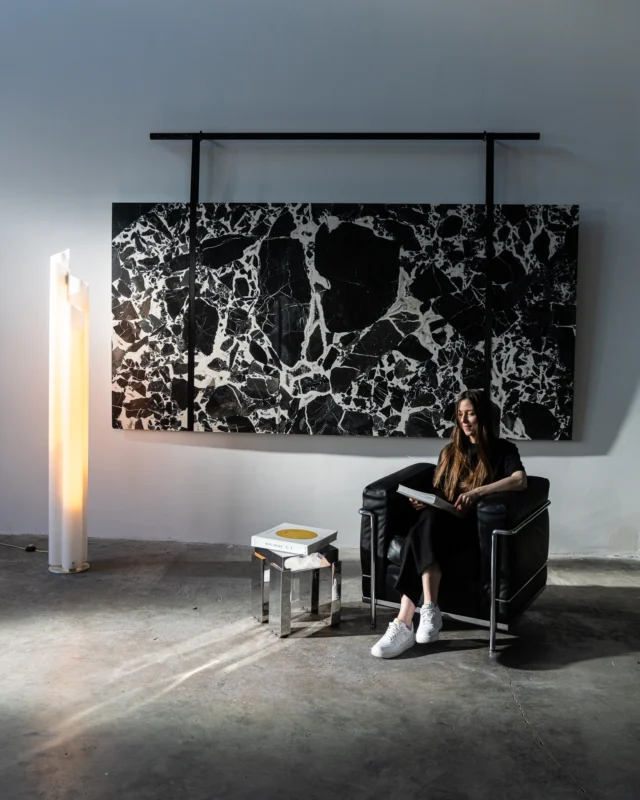
Marble is a metamorphic rock formed from recrystallized limestone, valued for its unique texture, natural colors, and exceptional durability. How it forms: Marble forms when limestone is transformed under high pressure and temperature. Famous quarrying locations: Carrara marble, Italy; Marmara, Turkey; Thassos, Greece.
The best-known types: white marble (elegance and brightness) and black marble (sophisticated contemporary spaces).
Technical characteristics of marble:
| Characteristic | Value |
|---|---|
| Bulk density | 2.7 g/cm³ |
| Water absorption | 0.1-0.5% |
| Compressive strength | 70-140 MPa |
| Frost resistance | Excellent |
How do you choose the right marble for your project?
Purpose: Polished marble for indoors, brushed/bush-hammered/antiqued marble for outdoors. Color: white marble (Volakas, Carrara, Thassos, Calacatta). Finish type: polished, honed, or antiqued.
Frequently asked questions: How do I choose marble for a modern bathroom? White marble or marble with fine texture. What’s the most durable marble for outdoor use? Antiqued marble. Can marble be used on kitchen countertops? Yes, but sealing is recommended.
Maintaining marble – practical tips
Cleaning: LTP Grimex. Sealing: LTP MPG or LTP Mattstone H20 (protection for up to 15 years). Daily maintenance: LTP Waxwash (1L covers 700 sqm).
Frequently asked questions: How do I clean marble without scratching it? A soft cloth and pH-neutral detergents. How often does it need sealing? Every 5-7 years. Can marble be reconditioned? Yes, by grinding and repolishing.
Fun facts about marble. Did you know?
Carrara marble: used by Michelangelo. Marble’s durability: buildings from ancient Greece are still standing. LTP MPG: the strongest professional sealant, with protection for up to 15 years.
Why choose marble from PIATRAONLINE?
Quality: marble from the most renowned quarries. Variety: colors, textures, and finishes. Personalized advice. Request a marble sample.
Granite – unique durability | Interior and exterior design
What is granite, and why is it so popular?
Granite is an igneous rock formed by the slow cooling of magma beneath the Earth’s surface, known for its hardness, durability, and looks. Composed of quartz, feldspar, and mica. Over 300 million years old. Famous sources: India, Brazil, China, Italy, South Africa.
How do you choose the right granite?
Black granite: ideal for countertops and floors. Gray granite (salt and pepper). Red granite: decorative projects. White granite: modern spaces.
Technical characteristics of granite
| Characteristic | Value |
|---|---|
| Bulk density | 2.6 – 2.8 g/cm³ |
| Water absorption | < 0.5% |
| Compressive strength | 150 – 300 MPa |
| Frost resistance | Excellent |
Recommended uses for granite
Interior and exterior flooring. Kitchen and bathroom countertops. Vertical cladding and façades.
How do you choose the right granite?
Location of use: For outdoors, anti-slip granite (flamed or sandblasted). Color. Finish type: polished, flamed, sandblasted, or honed.
Frequently asked questions: What type of granite for countertops? Black granite. Is there anti-slip granite? Yes, flamed or sandblasted granite (R11).
Maintaining granite
Cleaning: LTP Power Stripper. Sealing: LTP Mattstone (protection for up to 15 years). Daily maintenance: LTP Waxwash.
Frequently asked questions: How often should it be sealed? Every 5-7 years. What products should I avoid? Acidic detergents. How do I remove oil stains? LTP Power Stripper.
Did you know? Fun facts about granite
Mount Rushmore in the US is carved from granite. Hardness 6-7 on the Mohs scale. Flamed granite becomes anti-slip (R11).
Why choose granite from PIATRAONLINE?
Quality/price ratio. An impressive range (over 100 patterns). Complete service (consultation and shipping).
Limestone – complete guide for interior and exterior design
What is limestone, and why is it the ideal choice?
Limestone is a sedimentary rock, valued for its natural texture, neutral colors, and versatility. How it forms: the buildup of marine sediment rich in calcium carbonate. Famous sources: Limra (Turkey), Egypt, France, Spain.
Technical characteristics of limestone
| Characteristic | Value |
|---|---|
| Bulk density | 2.3-2.7 g/cm³ |
| Water absorption | 2-6% |
| Compressive strength | 50-150 MPa |
| Frost resistance | Good, with special LTP treatments |
Colors: white, cream, light gray, yellow, beige, and light brown. Indoor use: flooring, window sills, countertops, vertical cladding. Outdoor use: paving, façades, steps, anti-slip curbs.
How do you choose the right limestone?
For indoors: polished or brushed limestone. For outdoors: anti-slip limestone (bush-hammered, sandblasted, brushed). Best known: Limestone LIMRA and Limestone Sunny Dream. Minimum thickness 3 cm for outdoor paving.
Frequently asked questions: How do I check quality? Color uniformity and no cracks. Resistant to heavy traffic? Yes, with proper treatment. Can I use it in bathrooms? Yes, if sealed.
Installing limestone – essential steps
Surface preparation. The right adhesive (flexible). Sealing before installation. Finishing with special grout.
Frequently asked questions: What adhesive? A flexible, frost-resistant one. How long does it take to install 50 sqm? 2-4 days. On heated floors? Yes, if the materials are compatible.
Maintaining and protecting limestone
Cleaning: LTP Grimex. Sealing: LTP Mattstone/Mattstone H20. Daily maintenance: LTP Waxwash. Apply sealant every 3-5 years. Avoid abrasive/acidic products.
Frequently asked questions: How often should it be resealed? Every 3-5 years. Stains on limestone? LTP Grimex. Can it be repolished? Yes.
Did you know? Fun facts about limestone
The limestone of the Egyptian pyramids. Limestone valued in French cuisine (as a filter stone). The strongest sealant is LTP Mattstone (up to 15 years).
Why choose limestone from PIATRAONLINE?
Guaranteed quality (Sunny Dream, Limra, Vratza Limestone). A wide range of finishes. Get advice (WhatsApp: +40 744 880 077).
Onyx – complete guide: elegance and luxury in design
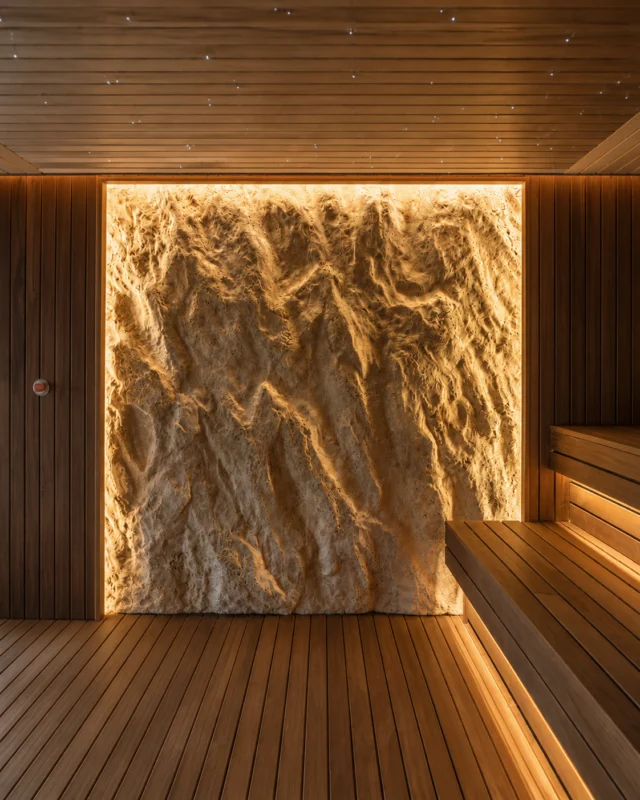
What is onyx? A semi-precious natural stone, known for its unique transparency and blend of colors; it can be backlit. How it forms: layers of calcite building up in caves and hot springs. Over 200 million years old. Famous sources: Iran, Pakistan, Turkey, Mexico.
Technical characteristics of onyx
| Characteristic | Value |
|---|---|
| Bulk density | 2.6-2.8 g/cm³ |
| Water absorption | 0.3-1% |
| Compressive strength | 50-100 MPa |
| Transparency | Excellent (LED backlighting) |
Colors: white, cream, green, brown, yellow, orange, red, multicolor. Indoors: countertops, vertical cladding (backlit slabs/panels). Outdoors: rare (sensitive to wind/rain/UV).
How do you choose the right onyx?
For elegant interiors, translucent onyx for backlit panels. Avoid outdoor use. Polishing brings out the texture.
Frequently asked questions: Best onyx for countertops? White or green. In bathrooms? Yes, with sealing. Durability? More fragile than granite/marble. On walls? Yes. Does it need backlighting? Not necessarily, but it does bring out its beauty.
Maintaining and protecting onyx
Cleaning: LTP Stonewash. Sealing: LTP Mattstone or LTP Colour Intensifier. Reseal every 2-3 years. Avoid abrasive/acidic solutions.
Frequently asked questions: Reseal every 2-3 years. Scratches – professional repolishing. Stains – LTP Stonecare.
Did you know? Fun facts about onyx
Translucent onyx in luxury hotels. Backlighting capability. White Onyx from Iran considered one of the most beautiful varieties.
Why choose onyx from PIATRAONLINE?
Superior quality and a wide range. A wide variety of colors and finishes (one of the largest onyx slab collections in Europe). Specialist advice.
Slate – complete guide for interior and exterior design
What is slate, and why is it the ideal choice?
Slate is a metamorphic natural stone, valued for its durability, layered texture, and sophisticated look. Natural process: clay and shale transformed under high pressure and temperature. Over 300 million years old.
Technical characteristics of slate:
| Characteristic | Value |
|---|---|
| Bulk density | 2.7-2.9 g/cm³ |
| Water absorption | < 0.5% |
| Compressive strength | 70-150 MPa |
| Frost resistance | Excellent |
Colors: gray, black, green, blue, brown, and multicolor. Outdoors: roofing, façades, paving. Indoors: flooring, cladding, bathrooms, and kitchens.
How do you choose the right slate?
For outdoors: Kavala slate (frost-resistant). For indoors: honed or polished slate. Finish: honed, anti-slip, polished.
Frequently asked questions: For roofing? Yes. In the bathroom? Yes, if treated. What thickness? 1-2 cm for exterior cladding.
Maintaining and protecting slate
Cleaning: LTP Grimex. Sealing: LTP Mattstone. Daily maintenance: LTP Waxwash. Seal every 3-5 years.
Frequently asked questions: Needs sealing. Stains – LTP Stonecare. Scratch-resistant.
Did you know? Fun facts about slate:
Greek slate is the best choice for outdoor use. The variety of colors comes from hematite or quartz content. Natural properties: anti-slip.
SKIN flexible slate – an innovative solution!
SKIN flexible slate (flexible slate veneer) – thin natural stone sheets (2mm), obtained by processing the top layer of slate blocks. It keeps the natural texture and look but is extremely light and flexible.
Unique characteristics – original SKIN flexible slate
| Characteristic | Value |
|---|---|
| Thickness | 1-2 mm |
| Weight | ~1.5 kg/sqm |
| Flexibility | Excellent, can be applied to curved surfaces. |
| Transparency | Available in translucent versions. |
Advantages of SKIN flexible slate: Easy to install. Versatile (walls, furniture, ceilings). Durable. Modern design (backlighting).
Where can you use SKIN flexible slate?
Bathrooms: Cladding for walls and furniture. Living rooms: Backlit decorative panels. Outdoors: Façades, if treated.
Frequently asked questions: Self-adhesive versions are available. Suitable for wet environments if treated. Backlit evenly with LED.
Maintaining SKIN flexible slate
Cleaning: LTP Stonewash. Sealing: LTP SKIN. Reapply sealant every 2-3 years.
Why choose slate / SKIN flexible slate from PIATRAONLINE?
PREMIUM quality: over 10 years of experience, the first choice for original flexible slate – SKIN. A wide range of colors and textures: over 30 slate patterns, with customization options (dimensions, thickness, selection, finishes).
Basalt – the world’s most versatile stone
What is basalt?
Basalt is an igneous rock of volcanic origin, valued for its durability, density, and elegant look. Volcanic origin: rapid solidification of basaltic lava. Famous sources: India, China, Vietnam; in Romania, the Racoș area (basalt columns).
Technical characteristics of basalt
| Characteristic | Value |
|---|---|
| Bulk density | 2.8-3 g/cm³ |
| Water absorption | < 1% |
| Compressive strength | 150-300 MPa |
| Frost resistance | Excellent |
Colors: light gray, dark gray, black, anthracite. Best-known type: Basalt Black Beauty. Outdoors: cobblestone paving, street curbs, façades, stairs. Indoors: high-traffic flooring, countertops, decorative cladding.
How do you choose the right basalt?
Paving for outdoor areas; polished basalt for indoors. Thickness depends on traffic. Gray or black basalt for minimalist projects.
Frequently asked questions: More resistant to thermal shock than granite. Minimum thickness 3 cm for paving. Suitable for curbs.
Basalt vs. granite: Basalt is volcanic rock (rapid cooling); granite is intrusive igneous rock (slow cooling). Basalt: fine texture, dark colors; granite: granular texture, varied colors. Granite is harder. Basalt is ideal for outdoor paving, façades, walls/curbs. Basalt is more affordable; granite is more premium. Granite is easier to maintain (less porous); basalt is porous and needs periodic sealing. Bottom line: basalt for outdoors; granite for sophisticated interiors.
Maintaining and protecting basalt
Cleaning: LTP Grimex. Sealing: LTP Mattstone. Daily maintenance: LTP Waxwash. Seal every 3-5 years.
Frequently asked questions: Scratch-resistant. Oil stains – LTP Stonecare. Sealed every 3-5 years.
Did you know…? The Racoș basalt columns – a spectacular geological formation in Brașov County, formed by the rapid cooling of basaltic lava, with hexagonal structures. Perfectly vertical columns up to 15 meters tall. A tourist attraction in geoparks. The area is protected.
How to get there: about 65 km from Brașov, by car or train. GPS coordinates: 46.0348° N, 25.4382° E. From DN13/E60 (Brașov-Sighișoara), take DJ 131C for about 10 km, then a gravel road. Explore on foot, by bike, or on horseback. Nearby: Smarald Lake and the Extinct Volcano.
Frequently asked questions: Activities: visiting the columns, Smarald Lake, the Extinct Volcano. About a 30-minute hike. No special equipment needed.
Did you know? A unique example of basalt formation in Southeast Europe. Similar to the Giant’s Causeway in Northern Ireland.
Why choose Basalt Black Beauty from PIATRAONLINE?
Premium selection (Black Beauty – one of the highest-quality options). A wide range of products (pavers, cobblestones, curbs, walls). Personalized advice.
Labradorite: meaning, properties, and powers
Labradorite is a semi-precious stone, known for its iridescent shine and fascinating colors (blue, green, gold, violet). Discovered in Canada (the Labrador peninsula). Other sources: Madagascar, Finland.
Physical properties of labradorite
| Characteristic | Value |
|---|---|
| Hardness (Mohs) | 6-6.5 |
| Bulk density | 2.68-2.72 g/cm³ |
| Water absorption | < 0.1% |
| Sheen | Iridescent (“labradorescence”) |
Colors: blue, green, gold, gray. Labradorite Extra Blue (blue flashes). Black Labradorite (understated elegance).
Spiritual properties and meaning
Associated with creativity, protection, and intuition. The “Stone of Transformation.” Enhances intuition, energetic protection, creative inspiration.
Frequently asked questions: Used in meditation. Quality is judged by intense labradorescence. Ideal for Feng Shui.
Uses of labradorite in interior design
Kitchen and bathroom countertops (Extra Blue or Black). Interior paving. Luxury decor (panels, vertical cladding).
Frequently asked questions: Durable enough for countertops (comparable to granite). Maintain with neutral products. Unique look thanks to its iridescence.
How do you choose the right labradorite?
Intense iridescence. For countertops – Extra Blue. For decor – a unique pattern. Thickness 2-3 cm.
Maintaining Labradorite Extra Blue:
Cleaning: LTP Grimex. Sealing: LTP Mattstone. Daily maintenance: LTP Waxwash. Seal every 5 years. Scratches – grinding/crystallization/repolishing. Stain-resistant.
Labradorite vs. granite: Labradorite – spectacular flashes of color, artistic look, ideal for interiors. Granite – uniform look, durable, versatile indoors/outdoors. Granite is harder and easier to maintain. Labradorite needs extra protection. Choose labradorite for a striking look; granite for durability and versatility.
Dolomite: an exceptional natural material
Dolomite is a carbonate sedimentary rock. Composed of calcium and magnesium carbonate (hardness, durability, delicate texture). Interior/exterior design (countertops, cladding, steps, flooring). Industry (cement, glass, agriculture). Design (white dolomitic marble for premium projects).
Dolomite (white marble) – a premium material
White dolomitic marble: wear-resistant, reflects light, stays cool to the touch (ideal for hot climates). Famous example: Thassos dolomitic marble – used in Mecca (stays cool under the sun).
Dolomite vs. marble
Composition: Marble – calcium carbonate; dolomite also contains magnesium. Hardness: Dolomite is harder. Look: Marble – fine texture with veining; dolomite – uniform look. Use: Marble – elegant interiors; dolomite – greater durability.
Dolomite – affordable pricing
Price varies depending on quality, processing type, and origin.
Did you know? Dolomite in Mecca: Thassos dolomitic marble (from the island of Thassos, Greece) – bright white, with thermal properties (stays cool) – is used for the horizontal paving in Masjid al-Haram and Masjid an-Nabawi, for the comfort of barefoot pilgrims. Marble vs. dolomite: marble is calcite (CaCO3); dolomite is calcium magnesium carbonate (CaMg(CO3)2); dolomite is harder and more acid-resistant. Dolomite has been used in road construction and, in antiquity, for temples.
Natural Sandstone – the complete guide
What is natural sandstone?
Natural sandstone is a sedimentary stone formed by the consolidation of sand and other mineral particles. Used in England and, for hundreds of years, in India. Formed from sand and minerals (quartz, feldspar, hematite) over more than 100 million years. Strength and durability, a unique look, versatility.
Characteristics of sandstone
| Characteristic | Value |
|---|---|
| Hardness (Mohs) | 6-7 |
| Density | 2.3-2.4 g/cm³ |
| Water absorption | 3-6% |
| Frost resistance | Excellent |
| Texture | Anti-slip, ideal for outdoor use |
Colors: yellow, red, gray, brown, green, and white. Outdoors: garden paving, terraces, walkways, pools. Indoors: flooring, vertical cladding, decorative stone. Façades.
The most famous sandstone monuments
Petra, Jordan (the Rose City). The Hawa Mahal (Palace of the Winds), India (pink sandstone). The Colosseum, Rome (partially). Angkor Wat, Cambodia. Uluru, Australia.
Advantages of sandstone
Durability. Versatility (paving, cladding, bathrooms, pools). Natural beauty.
Frequently asked questions: Anti-slip. Frost-resistant if treated. More textured and durable than limestone.
Maintaining and protecting sandstone
Cleaning: LTP Grimex. Sealing: LTP Mattstone. Daily maintenance: LTP Waxwash. Seal every 3 years.
Frequently asked questions: Every 3 years. Stains – get in touch with our team (WhatsApp: +40 744 880 077). Suitable for bathrooms.
Why is sandstone so popular in England and India?
England: outdoor paving and façades (resistant to wet climates). India: exports a large share of the world’s sandstone.
Advantages: Durable, natural texture, easy to maintain. Disadvantages: Can be porous if untreated; tile weight.
Why choose natural sandstone from PIATRAONLINE?
Superior quality (India). A range of finishes (anti-slip, honed, split-face, natural). Personalized advice.
L’Altra Pietra sintered stone (Italy) – the complete guide
Sintered stone is an innovative building material, made by compressing natural components (mineral powders and natural stone) at pressures of up to 400 bar and temperatures of around 1200°C.
Advantages: Exceptional durability. Food safety. Versatility. A range of designs (60×60 cm, 90×90 cm, or custom sizes).
Sintered stone vs. natural stone
| Characteristic | Sintered stone | Natural stone |
|---|---|---|
| Durability | Highly resistant to scratches and wear. | Depends on the type of rock. |
| Water resistance | Very low absorption (<0.5%). | Varies. |
| Design | Uniform textures and consistent colors. | Unique patterns, with natural variation. |
| Installation | Fast and easy (pedestals or adhesive bed). | More complex. |
| Price | More affordable for large projects. | Variable. |
Sintered stone vs. porcelain
| Characteristic | Sintered stone | Porcelain |
|---|---|---|
| Impact resistance | More resistant to impact and wear. | Lower. |
| Water absorption | Extremely low (<0.05%). | Similar (0.5-1%). |
| Outdoor use | Ideal for heavy traffic and weather. | Light-duty cladding. |
| Look | Authentic natural textures. | More industrial look. |
Unique advantages of sintered stone
Weather resistance. Anti-slip (R11). Hygienic and safe (kitchens, labs, hospitals). Eco-friendly.
Uses and applications
| Space type | Application |
|---|---|
| Residential | Flooring, countertops, interior and exterior cladding. |
| Commercial | Malls, offices, airports, industrial halls. |
| Public | Train stations, stadiums, squares, roads for vehicle traffic. |
| Industrial | Professional kitchens, labs, hangars. |
How is sintered stone installed?
Specific adhesives (Weber Set Portelanat Max25 or Weber Set Marmo Plus). For outdoor use, installed on professional pedestals (BERA).
Maintaining sintered stone
Cleaning: LTP Grimex. Sealing: LTP Mattstone H2O or LTP Colour Intensifier H2O.
The most popular textures and sizes
Textures: natural look, imitation stone, wood, or concrete. Sizes: 60×60 cm, 90×90 cm, 120×60 cm. Anti-slip finish R10 or R11.
Why choose sintered stone from PIATRAONLINE?
Extreme durability. Food safety. Versatile design. Eco-friendly.
Semi-precious natural stones | The complete guide
Semi-precious stones are rare minerals, notable for their unique colors, textures, and properties, used in interior design, jewelry, and architectural projects.
Agate – a variety of microcrystalline quartz. Hardness 6.5-7. Varieties: Blue Agate, White Agate, Phoenix Agate. Uses: countertops, decorative panels, cladding.
Petrified wood – formed through the mineralization of wood. Mohs hardness 7. Varieties: Black Petrified Wood, Multicolor Petrified Wood. Uses: flooring, countertops, cladding.
Quartz – Mohs hardness 7. Varieties: Crystal Quartz, Smoky Quartz, Rose Quartz. Uses: jewelry, countertops, decor.
Jasper – an opaque variety of quartz. Hardness 6.5-7. Varieties: Ocean Jasper, Red Jasper, Zebra Jasper. Uses: decorative flooring, façades, art pieces.
Tiger’s Eye – a chatoyant optical effect. Hardness 6.5-7. Varieties: Blue Tiger’s Eye, Gold Tiger’s Eye. Uses: countertops, flooring, decorative pieces.
Other semi-precious stones: Amazonite, amethyst, malachite, lapis lazuli, sodalite.
Why choose semi-precious stones for design projects?
Unique look. Durability. Versatility. Natural elegance.
How do you maintain semi-precious stones?
Clean with neutral solutions. Seal for outdoor/wet areas. Periodic maintenance (polishing, resealing).
Where can you use semi-precious stones?
| Application | Recommended stone type |
|---|---|
| Kitchen countertops | Quartz, Petrified Wood, Tiger’s Eye |
| Interior flooring | Agate, Jasper, Crystal Quartz |
| Decorative panels | Malachite, Lapis Lazuli, Amethyst |
| Exterior cladding | Petrified Wood, Jasper |
Quartzite – the complete guide to durability and elegance
Quartzite is a metamorphic natural rock, formed from quartz sandstone transformed under high pressure and temperature. Famous sources: Brazil (Taj Mahal, Cristallo), India (white and gray), South Africa (red and gold).
Technical characteristics of quartzite
| Characteristic | Value |
|---|---|
| Bulk density | 2.6-2.8 g/cm³ |
| Water absorption | < 0.5% |
| Hardness | 7 on the Mohs scale |
| Compressive strength | 150-250 MPa |
| Frost resistance | Excellent |
Colors: white, cream, gray, green, pink, yellow, and gold, with spectacular natural veining. Indoors: quartzite countertops, flooring, vertical cladding. Outdoors: façades, terraces.
How do you choose the right quartzite?
For indoors: polished quartzite. For outdoors: honed or textured quartzite. Color and finish. Minimum thickness 2-3 cm for paving.
Frequently asked questions: Suitable for kitchen countertops (hard, scratch-resistant). Ideal for bathrooms. Quartzite has a finer texture and more striking patterns than granite. Needs LTP sealing. Takes longer to install (2-5 days).
Maintaining quartzite
Cleaning: LTP Grimex. Sealing: LTP Mattstone or LTP Colour Intensifier. Daily maintenance: LTP Waxwash (pH neutral). Apply sealant once every 2-3 years. Avoid abrasive and acidic products.
Frequently asked questions: Reseal every 2-3 years. Scratches – professional polishing/crystallization. Stains – LTP Stonecare.
Did you know? Fun facts about quartzite:
Heat resistance (ideal for countertops). Natural transparency (some varieties can be backlit). Brazilian quartzite is considered the most beautiful and durable in the world.
Why choose quartzite from PIATRAONLINE?
Sourced from renowned quarries. A wide range of finishes and colors. Personalized advice.