Discover the Natural Stone Wonders: Theopetra Cave, the Seal of Infinity
Published: General // Published 14.11.2023
If you want to learn mystic, striking, and vital about you, check out the Theopetra cave, the Greek symbol at the front of evolution.
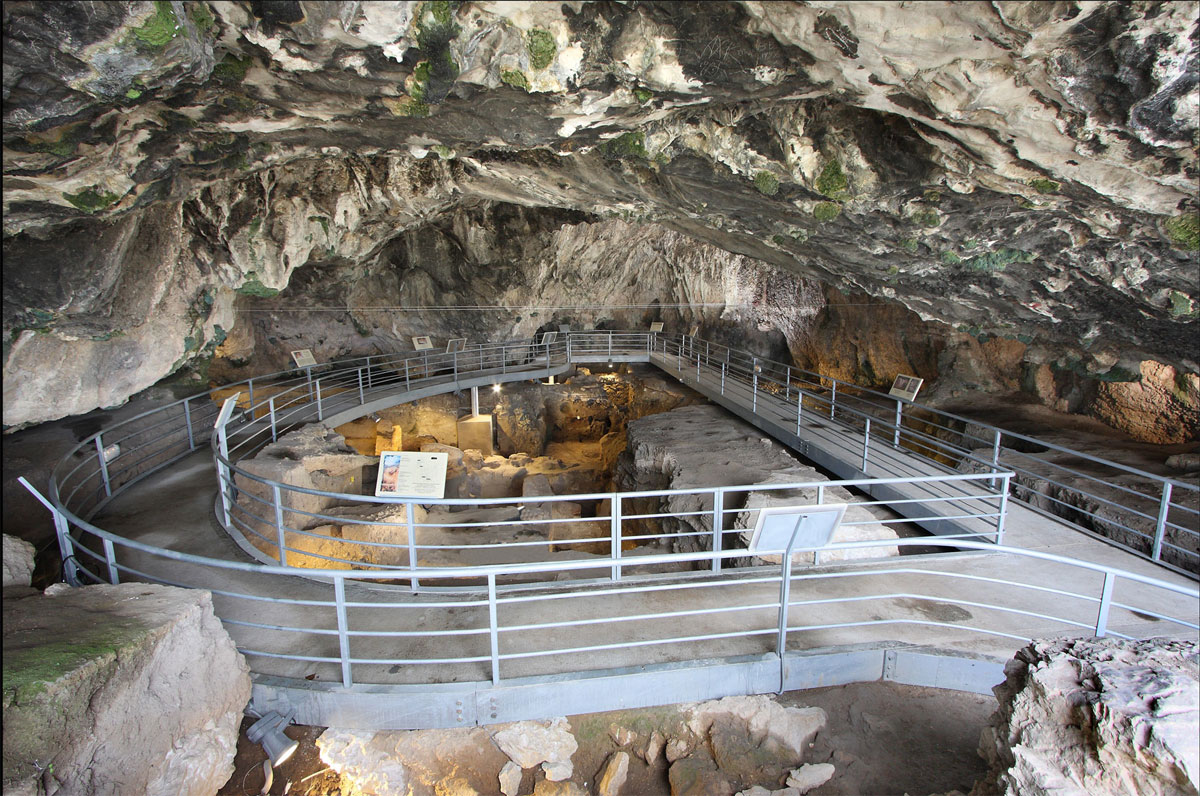
The Theopetra Cave - the cradle of limestone
Theopetra is a 65-million-year-old limestone cave located in Greece and famous as proof of the continuity of human presence, starting with the Palaeolithic, and up to the Neolithic. Essentially, the cave is located at the foot of the Chasia Mountain range, above the Theopetra village. This is a huge rectangular enclosure, of a 500 sqm area. Located on the right side on the natural border between Thessaly and Macedonia, with the small Lithaios River providing fresh water in front of a large entrance, 17 m wide and 3 m high, this location includes many proofs of human presence as far back as 1350 centuries ago.
Today, the theory of the origin of life on Earth supports the idea of its 348 million years old, with the origin placed in freshwater springs. This contradicts the old theory that mentions life in the oceans as the origin of life on Earth. As for humans, it is believed that first gorillas, then chimpanzees, are the primates from which we originated about 8 million years ago.
What did prehistoric man do in his time?
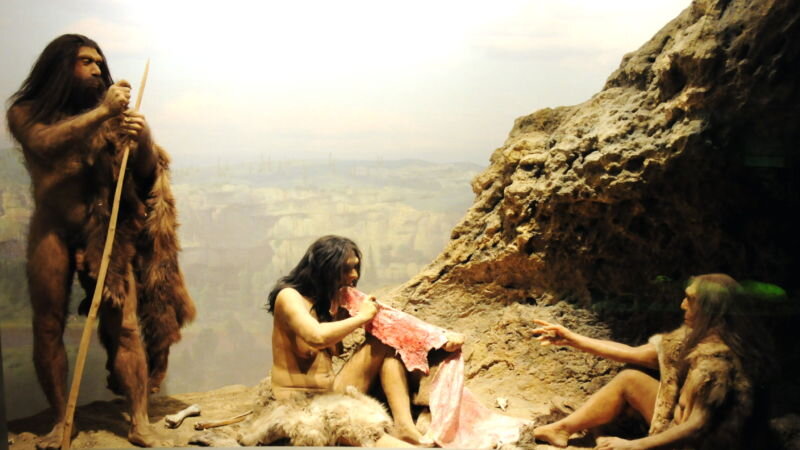
Several artifacts provide evidence of a continuous human existence in the cave over millennia. A stone wall erected around 21,000 BC, according to archaeologists' estimations, appears to be the oldest structure built by man. The data point to the last Ice Age, which began 115,000 years ago and ended 11,000 years ago, hence the natural conclusion that the wall was built to protect the cave dwellers from the cold winds of the time. Recently, DNA has been extracted from the tibiae of some of the bodies buried in the cave and found to be between 7288-6771 BC and 7605-7529 BC respectively. In addition to buried humans, fragments of animals and stone tools were found. The thousands of years that the cave has been continuously inhabited show 2 significant cultural transitions.
One refers to the gradual replacement of Neanderthal Man by Modern Man, with their coexistence over a long period, and the second refers to the transformation of the occupations of the people of those times, from hunting-fishing-fruit-gathering to the agriculture that appeared at the end of the last Ice Age. Used for over 131,000 years, the Theopetra cave has seen all the human activities associated with the Palaeolithic, Mesolithic, and Neolithic periods up to the present day, when it has served as a sheep shelter and housing.
The Neanderthal children’s footprints, found in the petrified ash from 135,000 years ago reveal the existence of life in the cave, as well as some activities. Stone tools, bone artifacts, and plant and seed tracks have been discovered, indicating the preferred activities of the locals during the ages. Everything concluded with the stone wall, built 23,000 years ago, and still the oldest man-made structure. All these recent findings clarify the transition from the late Palaeolithic to the Neolithic life.
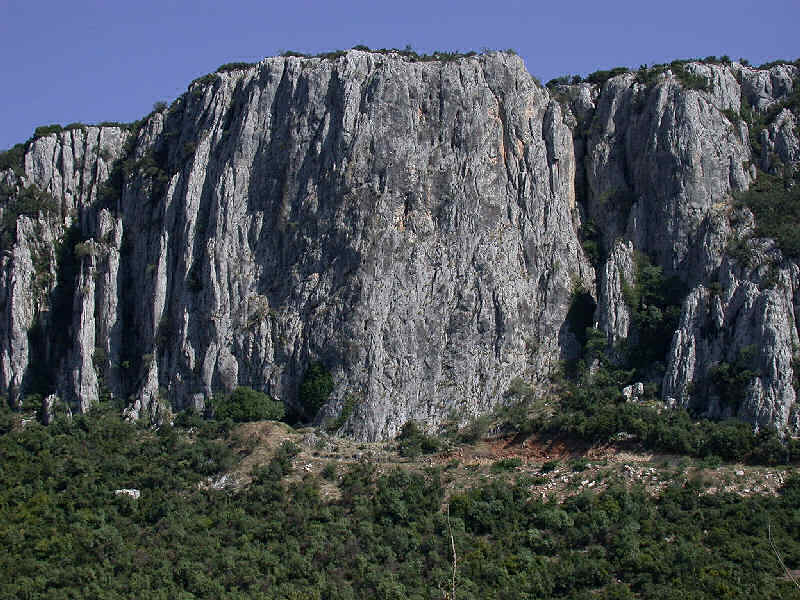
Theopetra – the museum cave – still preserves the traces of our ancestors' passage on Earth, revealing them prudently, as the past discloses its 1000 years of mysteries, thoroughly and subtly.
For the moment there are no comments from our users.
Write a comment or a review!